
Every driver in Canoga Park knows that the real question behind a smog check is not just “Will my car pass?” but also “What should I expect from the experience?” When people ask about cost, what they often want is context—what influences the visit, how to avoid surprises, and which factors are within their control. While it would be easy to reduce everything to a single number, the smarter approach is to understand the elements that shape your appointment so you can plan confidently for your next smog check.
In practice, the biggest contributors to your overall experience relate to your vehicle itself, the procedures that apply to your model year and fuel type, and the station’s ability to guide you through efficiently. That means the path to a smooth visit starts long before you pull onto Sherman Way or De Soto Avenue. It starts with clear expectations and small preparation steps that help your car complete its built-in self-checks and reduce the chance of an unnecessary return trip.
Local rhythm matters, too. The Valley’s daily flow—morning commutes, midday errands, after-school traffic—affects how quickly you can get in and out. Choosing the right time of day, bringing complete paperwork, and arriving with a warm, well-driven vehicle all streamline the process. Once you understand these levers, the rest of the conversation becomes calm and predictable.
Vehicle Factors That Shape Your Visit
Different vehicles undergo different test sequences. Most late-model gasoline cars rely on an OBD-based inspection where the analyzer communicates with the vehicle’s computer and checks readiness monitors. If those monitors are complete and there are no active faults, the technical portion can move quickly. If monitors are incomplete because of recent battery work or code clearing, your technician will explain how normal, mixed driving can help complete them.
Vehicle type and configuration also play a role. A compact commuter, a family SUV, a light-duty diesel, or a cherished weekend classic each presents unique considerations. The visual inspection confirms that required emissions components are present and appear properly installed. Aftermarket parts with the correct approvals are generally fine; the key is proper installation and labeling. When something is unclear, a quick conversation and careful visual check at the start keep surprises to a minimum.
Condition matters as well. A healthy, well-maintained vehicle is more likely to breeze through its inspection. If a dashboard light is illuminated or drivability feels off—say, rough idle in stop-and-go traffic near the Warner Center—let the shop know at check-in. A trusted team will set expectations and, when appropriate, suggest simple, practical steps before proceeding so you have the best chance at a clean result.
Preparation: Small Steps, Big Payoff
You do not need specialized tools or training to arrive prepared. A normal, slightly longer drive on mixed roads—perhaps a steady cruise toward Chatsworth and a city loop back along Victory Boulevard—helps many vehicles complete their internal self-tests. If a battery was recently disconnected or a code cleared with a scanner app, share that detail; it explains why monitors might read incomplete and guides the plan for your visit.
Paperwork is another easy win. Bring your renewal notice or registration and have it handy at check-in. This simple step speeds up verification, reduces back-and-forth, and shortens your total time on site. If you are combining the inspection with other errands along Sherman Way, clear communication about timing lets you plan those errands without stress.
Finally, mindset matters. A calm, unhurried visit leads to better decisions. If the station suggests a short, pre-test drive to help complete monitors, take it as a friendly, local tip rather than a hurdle. In the Valley’s heat, vehicles sometimes need that extra bit of steady operation before they report “ready.”
Station Practices That Improve Your Experience
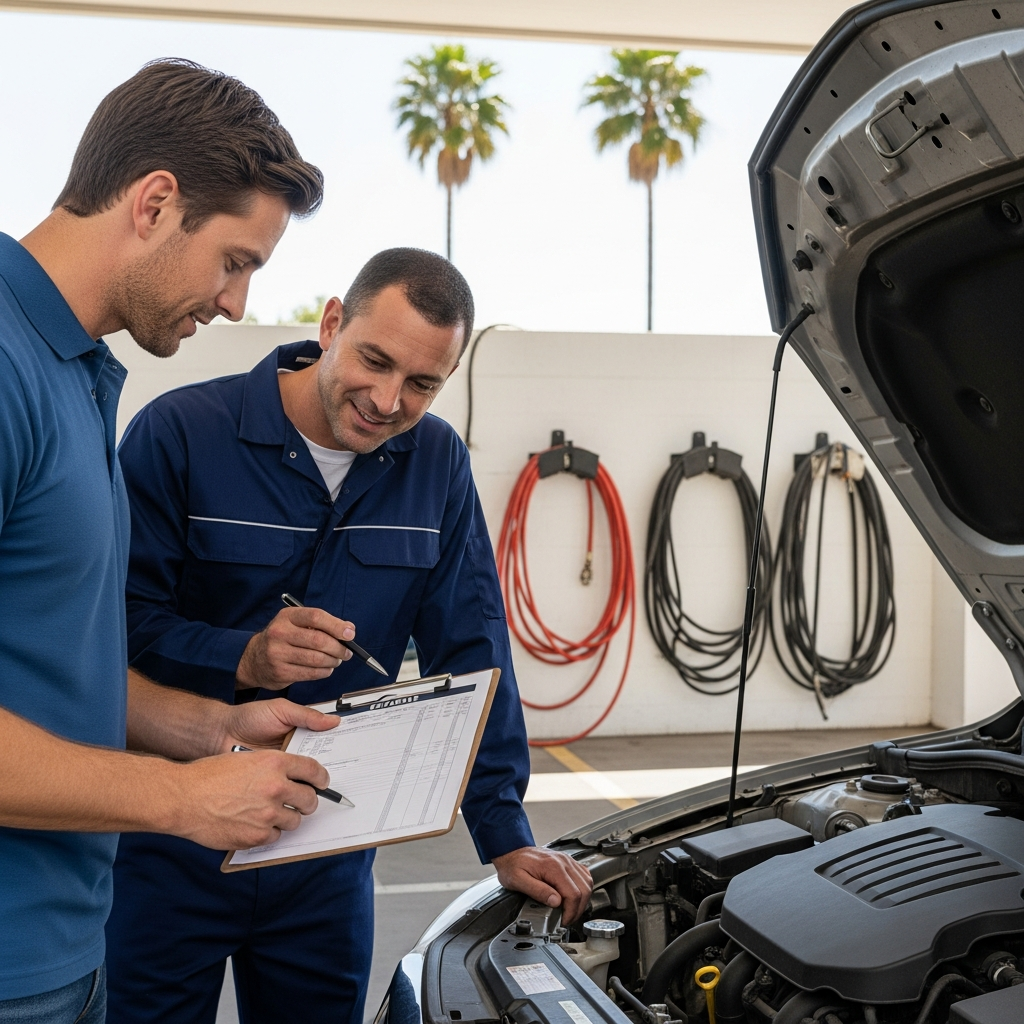
From the outside, many stations appear similar. Inside, the difference becomes clear in how the team communicates, maintains equipment, and respects your time. Up-to-date analyzers, well-kept cables, and clean work surfaces reduce the chance of avoidable glitches. A methodical check-in and a technician who explains the next steps in plain language keep you in the loop and comfortable.
Scheduling also helps. Some days and times are naturally busier in Canoga Park—late afternoons near school pickup, for example. If you have flexibility, ask which windows are typically lighter. A good station will be candid because they know easing congestion leads to a smoother visit for everyone. If you plan your stop between errands, the team can give you a realistic timeline so you can coordinate a coffee run, a market stop, or a package drop-off nearby.
Communication is the constant. If something unexpected appears—an incomplete monitor, a missing under-hood label, or a loose evap hose—a trustworthy technician will pause, explain the finding, and suggest reasonable next steps. That transparency keeps the focus on solutions and helps you understand how each detail influences the overall experience of your smog check.
Local Market Context Without the Guesswork
When people ask for an average or estimate, what they often want is to avoid feeling surprised. While we are not discussing numbers here, you can still gain control by understanding the variables that shape your visit. Think of it like planning any Valley errand: timing, preparation, and clarity add up to a smooth trip. Choose a station known for steady communication, arrive with your paperwork, and let the team guide you through any vehicle-specific nuances. The intangibles—calm, respect, and attentiveness—carry real value.
Another layer of context is the range of vehicles that pass through a Canoga Park shop on a typical day. From commuters rolling in from Winnetka to family SUVs bound for practice in West Hills, no two inspections are identical. A station that handles variety without drama demonstrates the kind of competence that makes your own visit feel predictable and fair.
Finally, consider timing within the month. The last week of many renewal cycles brings a rush. If you can, aim for earlier in the month or a quieter time of day so you have a buffer should your vehicle need any additional driving to complete a monitor. Building that cushion into your plan turns uncertainty into a non-issue.
What Happens If Challenges Arise
Sometimes the inspection uncovers an issue—perhaps a readiness monitor that refuses to complete after a recent battery replacement, or an evap-related concern like a worn gas cap seal. The best way forward is straightforward communication. Your technician will show you what they see, describe why it matters, and outline a practical path to resolution. This kind of clear, respectful conversation is the hallmark of a station that values long-term relationships over short-term transactions.
If your car needs a bit of real-world driving before it can be retested, a local route that includes steady cruising and a few stop-and-go segments is often enough. The key is variety and patience, not complicated procedures. Your station can suggest a loop that fits your schedule and typical driving habits so the process stays convenient.
For vehicles with aftermarket components, approvals and proper installation are important. If something under the hood looks unfamiliar or lacks the appropriate marking, a careful visual check at the start of your visit can save you time. The goal is to prevent small avoidable items from becoming obstacles.
A Calm, Predictable Experience in Canoga Park
Trust is the currency of a good inspection. It shows up in the way the counter staff greets you, the way the technician handles your car, and the way questions are answered without hurry. It also shows up in record-keeping and consistency—when you return next year, the experience should feel familiar for all the right reasons.
When you combine local timing savvy with a few simple preparation steps, your visit becomes almost routine. You head down Topanga Canyon Boulevard, swing onto Sherman Way, and pull into a station that already feels like part of your household rhythm. The test proceeds, the results are reviewed, and you move on with your day. That is the outcome most drivers want, and it is entirely within reach with a bit of planning.
And if you like to understand how things work, do not hesitate to ask. A good technician appreciates an engaged driver. They will gladly explain monitors, visual checks, and outcomes in everyday language, leaving you more informed for the next cycle.
Frequently Asked Questions
Q: What influences the overall experience of an inspection in Canoga Park? A: Your vehicle’s technology and condition, your timing, and the station’s communication and equipment all shape how smoothly your visit goes from check-in to completion.
Q: How can I reduce the chance of an avoidable return visit? A: If you recently disconnected the battery or cleared codes, take a slightly longer mixed drive before testing so readiness monitors can complete. Also confirm that obvious items like the gas cap seal look healthy.
Q: Do aftermarket parts automatically complicate things? A: Not necessarily. Components that carry the appropriate approvals and are installed correctly usually integrate cleanly. The visual inspection verifies those details.
Q: Can the time of day really make a difference? A: Yes. In the Valley, traffic patterns shift throughout the day. Visiting during lighter windows can shorten your total time at the station.
Q: What if my dashboard light is on? A: Mention it at check-in. The technician will explain how it affects the process and discuss practical next steps that fit your schedule and goals.
Q: Is it helpful to ask questions about the procedure? A: Absolutely. Clear communication is part of a quality inspection. A trusted station will welcome your questions and offer straightforward explanations.
Q: How should I plan around a busy renewal period? A: Consider visiting earlier in the month or during a quieter time of day. Building in a small buffer helps if your vehicle needs additional driving to complete a monitor.
Q: Can I combine the inspection with other errands? A: Yes. Share your plan with the station so they can provide a realistic timeline while you take care of tasks nearby along Sherman Way or in the Warner Center.
Move Forward with Ease
When you understand the factors that shape your visit, the rest becomes simple. Choose a station known for clarity and care, arrive with your paperwork, and give your vehicle a bit of varied driving beforehand if needed. If you want a quick refresher on what a modern smog check involves, review the basics and plan your stop when it best fits your Valley routine. With a small amount of preparation and the right local team, your next inspection can be one of the easiest tasks on your list.
