The Purpose Behind a Smog Check
A smog check is an emissions inspection designed to evaluate the pollutants produced by a vehicle’s engine and exhaust system. These tests help determine whether a car is releasing excessive emissions that may harm the environment. The process ensures vehicles meet environmental regulations and operate within acceptable pollution limits.
Emission testing has become increasingly important as cities grow and traffic increases. Without regular smog checks, high-polluting vehicles could significantly worsen air quality. Testing programs help monitor vehicle emissions and maintain cleaner air for communities.
How the Smog Check Process Works
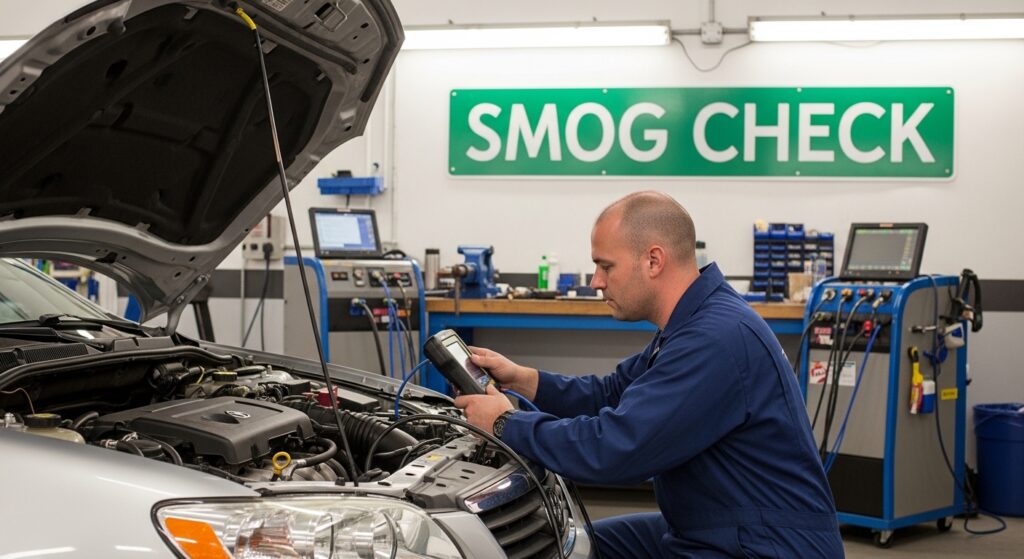
During a smog check, technicians inspect the vehicle’s emission control systems and measure exhaust output. The vehicle may be connected to specialized equipment that analyzes the gases coming from the exhaust pipe. The results are then compared with established emission standards.
Technicians may also examine the onboard diagnostic system to detect potential faults related to emissions. This technology helps identify malfunctioning components that might increase pollution levels. The overall goal is to ensure the vehicle is functioning properly and not contributing unnecessary emissions.
Common Reasons Vehicles Fail a Smog Check
There are several reasons why a vehicle may fail a smog check. One common issue involves malfunctioning sensors or components that regulate fuel and air mixtures within the engine. When these systems fail, combustion may become inefficient and produce excessive pollutants.
Another frequent cause of failure is a damaged catalytic converter, which plays a critical role in reducing harmful gases. In some cases, a loose gas cap or engine warning light can also cause a vehicle to fail the test. Addressing these issues promptly can help drivers pass future inspections.
How to Prepare for a Smog Check Inspection
Drivers can take several steps to improve the chances of passing a smog check. Keeping up with routine vehicle maintenance is one of the most effective strategies. Regular oil changes, replacing air filters, and ensuring the engine is running smoothly all contribute to lower emissions.
It is also helpful to drive the vehicle for a short period before the test. This allows the engine to reach normal operating temperature, which can improve emission readings during the inspection process.
Environmental Impact of Smog Check Programs
Smog check programs play a major role in protecting environmental health. By monitoring vehicle emissions, these programs help reduce the number of high-polluting vehicles on the road. Lower emissions contribute to improved air quality and reduced smog formation in densely populated areas.
Over time, consistent emissions testing encourages better vehicle maintenance and promotes cleaner transportation practices. This collective effort supports long-term environmental sustainability and healthier living conditions.
Read More:
