
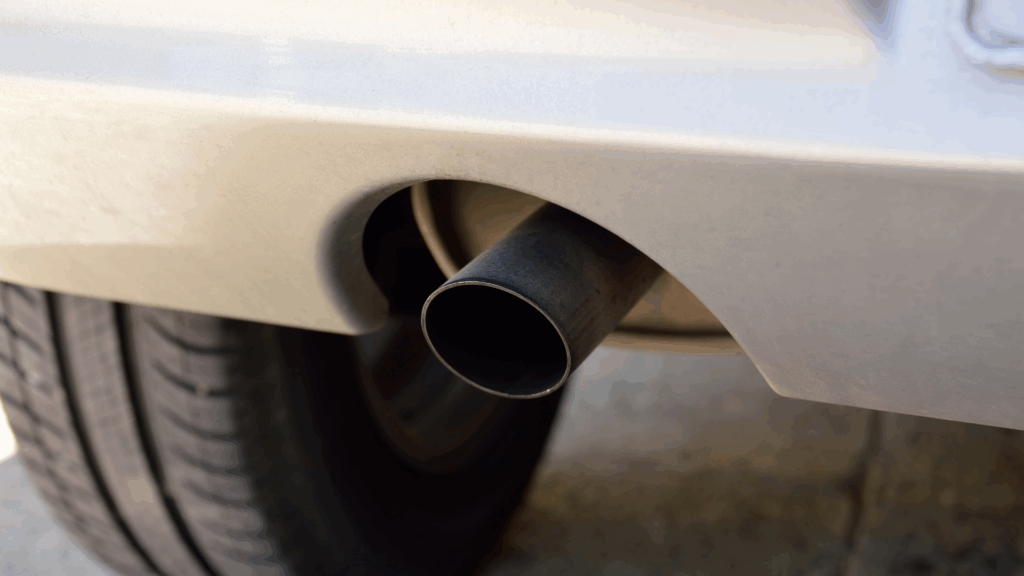
Understanding the Purpose of a Smog Test
A smog test is an inspection that measures the amount of pollutants a vehicle releases into the air. Governments require this evaluation to ensure that cars meet established environmental emission standards. During the inspection, technicians analyze the vehicle’s exhaust system and electronic diagnostic systems to confirm that emission control components are functioning properly. Vehicles that fail the test may produce excessive pollutants that contribute to air pollution. By completing a smog test regularly, drivers help ensure their vehicles operate efficiently and responsibly while protecting the environment.
How a Smog Test Helps Reduce Air Pollution
Automobile emissions are a major contributor to urban air pollution. A smog test identifies vehicles that release excessive harmful gases such as hydrocarbons and nitrogen oxides. When these pollutants accumulate in the atmosphere, they contribute to smog formation and poor air quality. By identifying emission problems early, a smog test encourages necessary repairs that reduce pollution levels. This process helps improve environmental conditions and supports healthier communities.
Common Mechanical Issues Found During a Smog Test
A smog test often reveals problems that may not be immediately noticeable during regular driving. Faulty oxygen sensors, worn spark plugs, or malfunctioning catalytic converters can cause increased emissions. Problems with fuel injection systems or exhaust leaks may also result in failed inspections. Identifying these issues allows drivers to repair their vehicles before the problems worsen. Addressing emission system failures early can also help prevent more expensive mechanical repairs in the future.
Why Regular Smog Tests Support Vehicle Performance
Maintaining proper emission control systems can improve overall vehicle performance. When an engine burns fuel efficiently, it produces fewer pollutants and operates more smoothly. A smog test helps confirm that the fuel system, sensors, and catalytic converter are functioning correctly. Drivers who maintain these systems often experience improved fuel efficiency and more reliable engine performance. Routine inspections therefore benefit both environmental compliance and vehicle reliability.
Legal Requirements and Registration Compliance
Many regions require vehicles to pass a smog test before registration can be renewed. This regulation ensures that cars operating on public roads meet environmental standards. If a vehicle fails the test, repairs must be completed before it can legally continue operating. Staying up to date with smog test requirements helps drivers avoid penalties or delays in registration. Compliance with these regulations ensures that vehicles contribute less pollution to the environment.
