
Diesel vehicles are an essential part of many industries, but they must meet specific environmental standards to be roadworthy. One of the most important steps in ensuring compliance with local regulations is passing the smog test. Diesel trucks are held to stricter emissions standards due to their higher emissions, so it’s crucial to understand the process and know how to pass your smog test. In this article, we’ll guide you through everything you need to know to ensure your truck passes the smog test with ease.
Why Diesel Trucks Need a Smog Test
A smog test is designed to assess the levels of pollutants your vehicle emits. Diesel engines, while efficient, can emit higher levels of nitrogen oxides and particulate matter, both of which contribute to air pollution. For this reason, diesel vehicles are subject to more stringent testing and regulations than gasoline-powered vehicles. By passing a smog test, you not only comply with legal requirements but also do your part in keeping the environment clean.
How to Prepare for a Smog Test for Your Diesel Truck
Before heading to a smog test, it’s important to take some preparatory steps to ensure that your diesel truck performs well during the inspection. First, make sure that your truck’s engine is in good working condition. A well-maintained engine will perform better in the test. Check the air filter, fuel injectors, and exhaust system to ensure they are free of debris and functioning properly. Clean filters and a well-maintained engine contribute to lower emissions, increasing your chances of passing the test.
What Happens During a Smog Test for Diesel Vehicles?
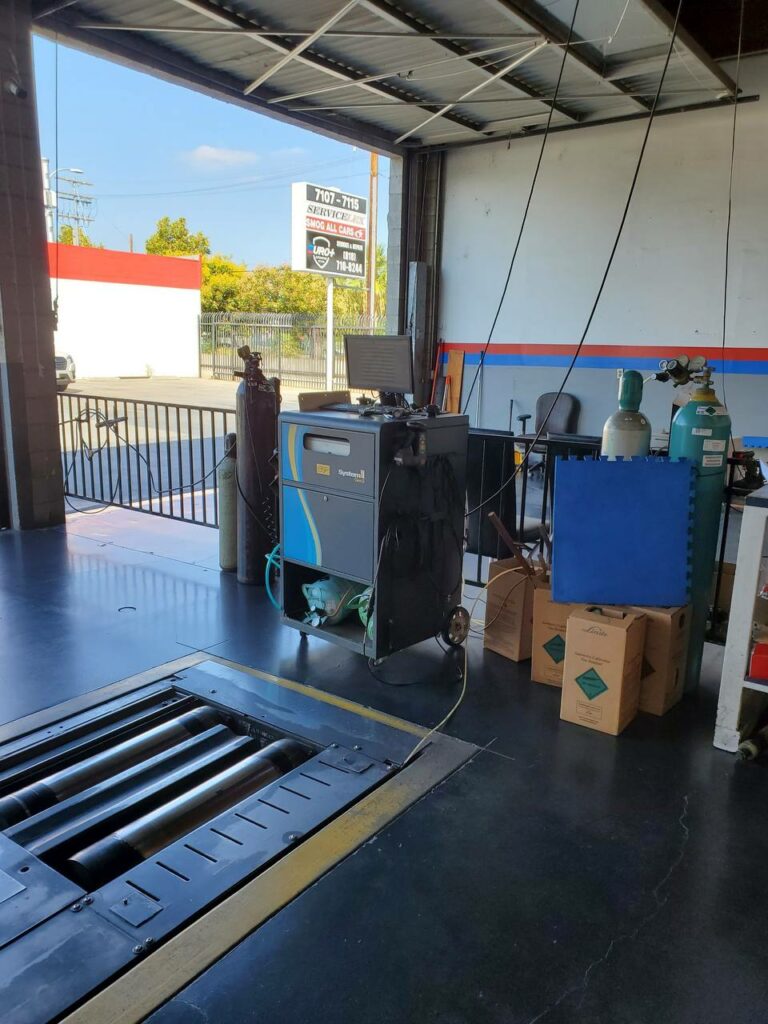
When you bring your diesel truck to a smog test station, a technician will assess your vehicle’s emissions through both visual and functional checks. The most common test involves measuring the exhaust gases produced by the vehicle during operation. Diesel vehicles are often tested using a dynamometer, which measures the pollutants while the vehicle is in motion
Common Issues That Can Cause Diesel Trucks to Fail a Smog Test
Several factors can prevent your diesel truck from passing a smog test. Common issues include faulty fuel injectors, clogged air filters, or a malfunctioning exhaust system. Additionally, if the engine is not properly maintained, it can cause an increase in particulate matter and nitrogen oxide emissions. If your truck fails the test, the technician will typically provide a report on the specific issues, which can then be addressed before retesting.
