What a Smog Check Measures in Your Vehicle
A smog check focuses on analyzing the pollutants produced by a vehicle’s exhaust system. These emissions include gases that can contribute to air pollution if released in excessive amounts. The inspection ensures the vehicle’s emission control systems are functioning properly and maintaining environmental standards.
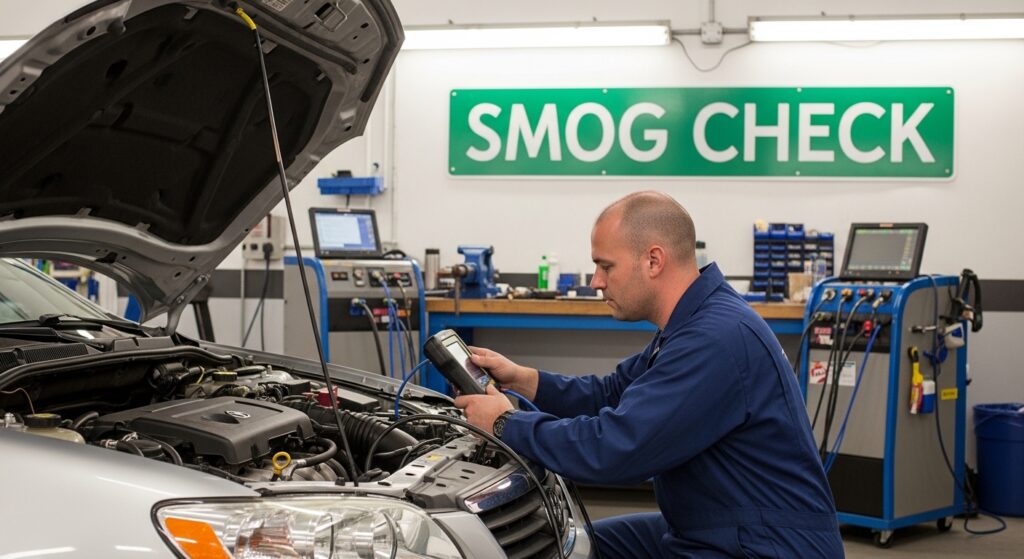
During the test, equipment measures the concentration of specific gases coming from the exhaust. These measurements help determine whether the vehicle complies with regulations designed to limit air pollution. A successful smog check indicates that the vehicle is operating efficiently and responsibly.
Why Emissions Control Systems Matter
Modern vehicles rely on complex emission control systems to reduce harmful pollutants. Components such as catalytic converters, oxygen sensors, and exhaust gas recirculation systems play essential roles in controlling emissions. When these systems function correctly, they significantly reduce the environmental impact of driving.
A smog check helps verify that these components are operating as intended. If any part of the system fails, emissions may rise beyond acceptable levels, making repairs necessary before the vehicle can pass the inspection.
Signs Your Vehicle May Need a Smog Check
Drivers may notice certain signs indicating that their vehicle could struggle to pass a smog check. A persistent check engine light is one of the most common warning signals. This light often points to issues within the emission control system or engine performance.
Other indicators may include decreased fuel efficiency, unusual exhaust odors, or rough engine operation. Addressing these symptoms early can prevent larger mechanical problems and increase the chances of passing the emissions inspection.
The Role of Smog Check Programs in Public Health
Reducing vehicle emissions is essential for protecting public health. Pollutants released by engines can contribute to respiratory issues and environmental damage. Smog check programs help reduce these risks by ensuring vehicles meet established emission standards.
Communities benefit when drivers maintain vehicles that produce fewer pollutants. Consistent emissions testing contributes to cleaner air and supports efforts to reduce the environmental impact of transportation.
Maintaining Your Vehicle After a Smog Check
Passing a smog check does not guarantee that emission levels will remain low indefinitely. Continued vehicle maintenance is necessary to keep emission systems functioning properly. Regular inspections and timely repairs help maintain compliance with environmental regulations.
By taking care of emission components and monitoring engine performance, drivers can ensure their vehicles remain efficient and environmentally responsible between smog check inspections.
Read More:
Smog Check Inspections and Their Role in Cleaner Transportation
